
What will you do differently tomorrow?
Good learning starts with understanding what's really going on.
What are people doing now? What effect does that have? What needs to be different? And what would more effective behaviour actually look like?
We use real situations from work to design learning that helps people understand their patterns, practise alternatives and turn insight into different behaviour.
The format follows the learning.
We draw on useful scientific models and established ideas. And when an existing model doesn't quite capture what people need, we create our own.
A model. Practice. An actor. Reflection. A real case. A personal experiment. Peer feedback. A workbook. Peer support. Digital tools. Something completely different.
We use what helps people understand, practise and apply.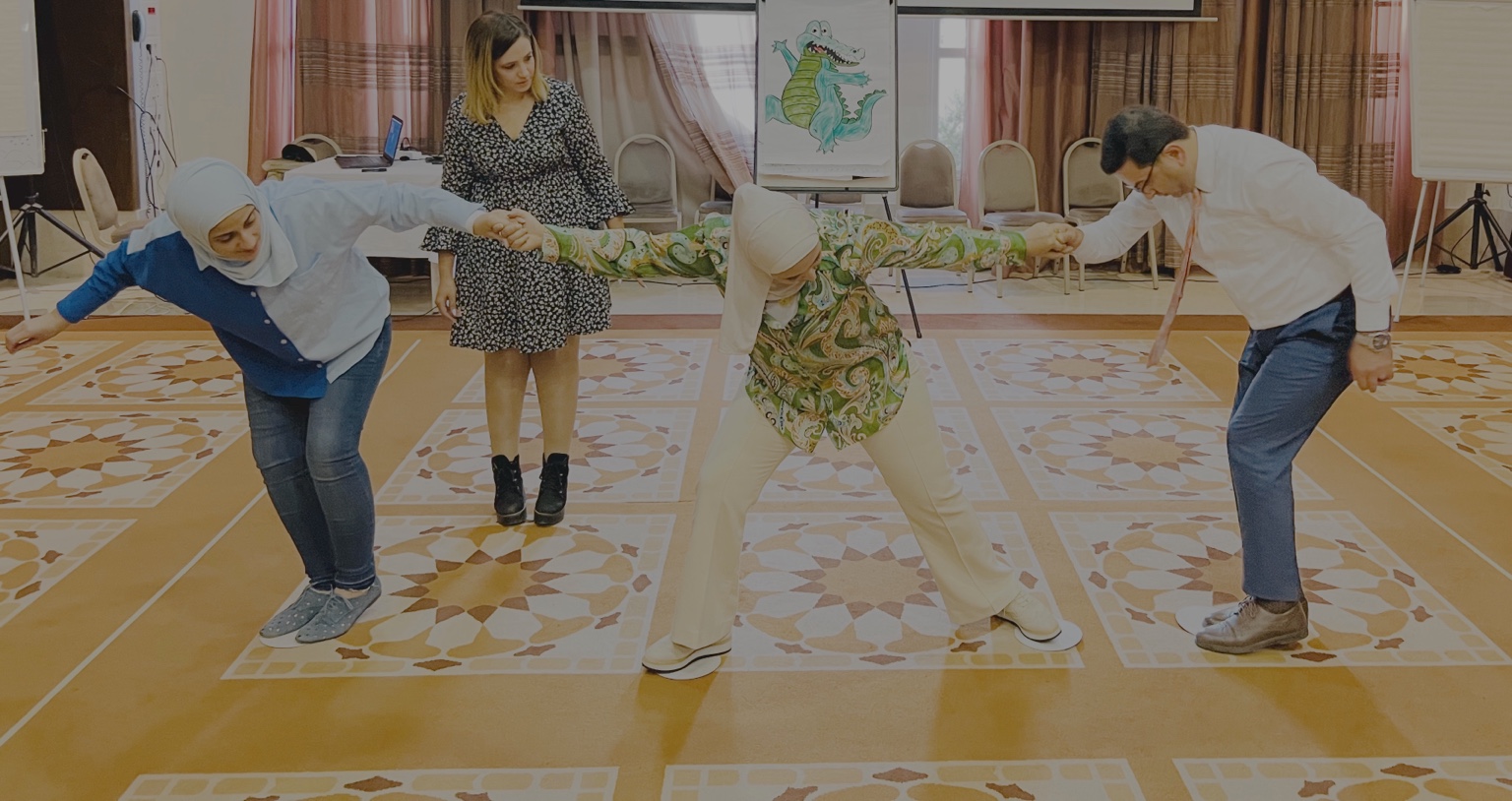
Understanding matters.
Then reality takes over.
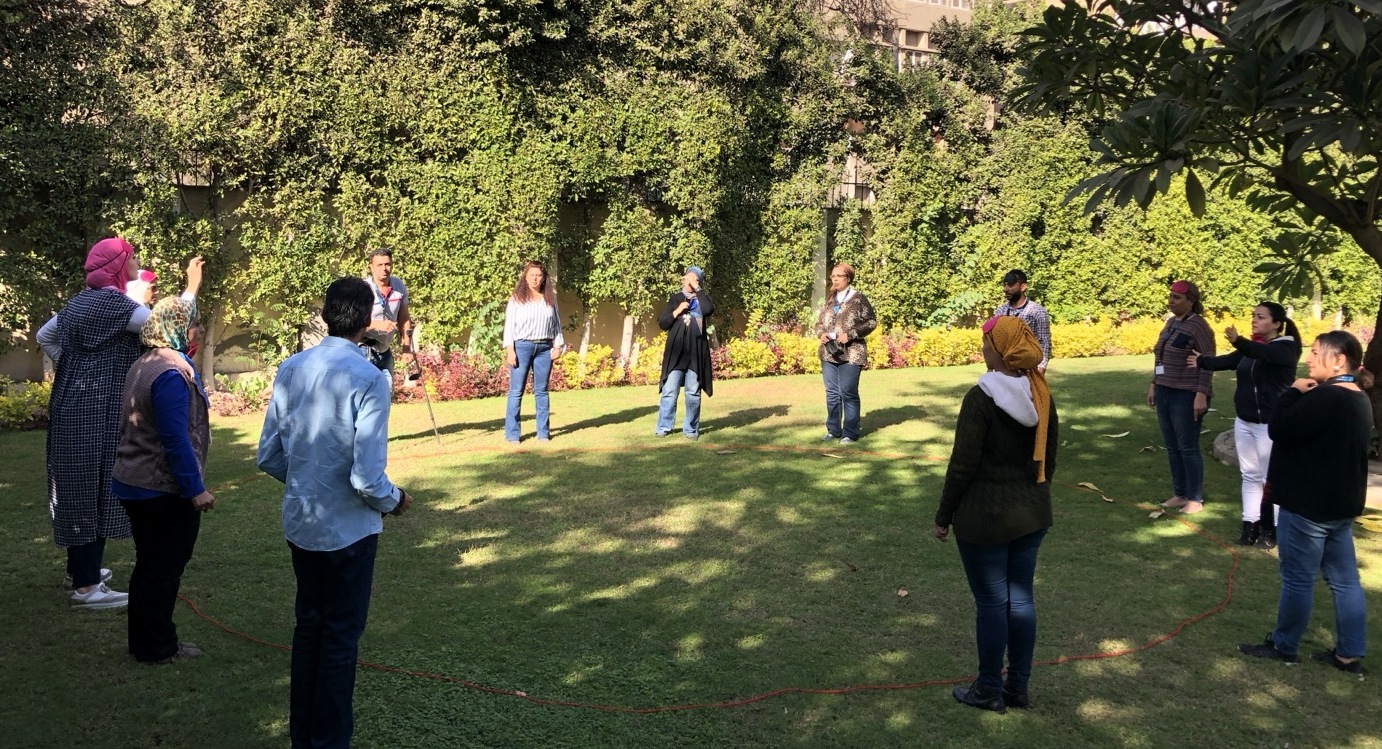
People need to make sense of an idea and practise what they want to do differently. Then they need to take it back to work, try it in real situations and learn from what actually happens.
Real cases come into the room. New behaviour goes back to work. What happens there becomes material for the next round of reflection, practice and adjustment.
The programme may end. The practice doesn't.We use theory when theory helps, creativity when creativity helps, and people's own experience whenever possible.
Less explaining. More discovering, practising and improving.Vientiane isn't Amsterdam.
A warehouse isn't a ministry.
A junior professional isn't an executive.
Methods can travel. Assumptions shouldn't.
Creative in how we make it happen.
Tell us what's happening.
What are you trying to achieve? What's happening now? Where are people getting stuck?
We'll start there →